
Welcome to The Tech Cafe Journal! If you’d like to know what goes on here, watch the highlight reel below:
¡Bienvenidos al diario Tech Café! Si desea saber qué sucede aquí, mire el video destacado a continuación:
¿CÓMO AYUDAN PROYECTOS COMO ESTOS A HACER EL MUNDO MÁS POSITIVO?
The Tech Cafe uses a monthly menu. Each menu has project inspirations for the social issue we’re talking about. Here’s the latest:
El Tech Café utiliza un menú mensual. Cada menú tiene inspiraciones de proyectos para el tema social del que estamos hablando. Aquí está lo último:

January 8 2026

Last year at our Healthy Eating Celebration, middle schoolers made puppet shows about the dangers of sugar and how key it is to eat lots of fiber. They were hilarious and elementary schoolers walked away with ideas on how to better take care of their bodies.
For our Animal Rights Celebration, we can do the same! But we’ve seen a lot of terrible videos about animal torture– so we need to be careful about what we maker our puppet shows about. We’re NOT going to do something like this:
Instead, it will look something like these:
Use a Storyboard like this to plan out your show:

Here are some quick ideas:
Game Show: “Kind or Not?” (Audience shout answers)
“The Chicken Apartment”: A chicken shows her “tiny apartment” (a box) and complains she can’t even stretch.
Superheroes: “Team Animal Rescue”
“The Cow Who Never Saw Grass”: A cow hears about “outside” like it’s a magical place.
Bunny’s Choice”: Two stores—one with cruel products, one with cruelty free-products—kids help Bunny choose.
“The Nighttime Zoo Secret”: Animals talk after closing: “What do you miss most?” (food, family, freedom).
“Mermaid Visits the Aquarium”: Mermaid is horrified: “Wait… you’re keeping my friends in jars???”
“Fish News Network”: Anchors report: “Breaking news: a whale… is still circling the same wall.”
January 8 2026
As we’ve learned, for sea animals like dolphins and whales, being jailed in an aquarium is torture. For many of us humans, it’s hard to imagine. This video tries to show us how it might feel to be captured in the wild and spend the rest of your life trapped in an aquarium
It’s not all gloom and doom when it comes to Aquariums, though. Even though aquariums say that captive whales won’t know what to do if they’re released into the wild, there is a lot of evidence that they do just fine!
It is important to know that simply dropping aquarium whales back into the ocean may not be the best way to re-introduce them to the wild. Instead, many experts say that it’s better to slowly give them larger and larger parts of the ocean to live in. Here’s the idea:
January 7 2026
As we approach the end of our Animal Rights Unit, it is time for us to begin planning for our celebration. Most middle schoolers now know about the dark secrets behind the milk we drink and the meat and eggs we eat. They know about the hellish devices: rotating milking platforms, the farrowing crates, and battery cages that torture cows, pigs, and chickens.


Most middle schoolers also know about the cruelty that rabbits, mice, monkeys, and many other animals go through so we can have “better” lipsticks, cologne, and cleaning products. And, as we’re seeing in our final theme, how Zoos, aquariums, and circuses are basically prisons in disguise.


But elementary schoolers know nothing of these evils. So, through your art, podcasts, videos, and board games, we’re going to open their eyes to this. If you’re interested in spending the day at the celebration, there are a couple of things to know:
- If you complete a board game (it’s not too late!) you are automatically invited.
- If you make a song or poem and are willing to read/sing it live, you are invited.
- If you made any kind of art or built something, please write a short description of your work using this form:

We’ve gone over soooooo much information over the past 4 months– I bet it’s hard to remember it all! To help you out, I’ve made a playlist of all the videos we’ve watched. Please feel free to click on them during class or at home:
January 6 2026
As we move closer to our big celebration, it’s important that you are able to take both sides of a social issue. What I mean is, you have to be able to see why some people aren’t bothered by what happens to animals in factory farms or why they believe it’s ok to experiment on other animals or why they believe Zoos are important. For example, here is a video that does a good job in arguing for both sides of whether Zoos should exist:
Now that we’ve talked about some of the mental and physical harm that zoos do to their imprisoned animals, let’s try an EMPATHY excersise. Imagine this: Being stuck in your bedroom for your entire life with no internet, no books, and no way to leave. You cannot choose your own food– it’s just slipped under the door. Eventually, you might start pacing the floor or tapping your head just to have something to do. That is what a tiger or bear feels like in a small zoo exhibit. Here’s a video to help you visualize this hellscape:
January 5 2026

Aquariums tell us they protect ocean animals and help people learn about life under the sea. Dolphins leap. Sharp-toothed sharks stare back, unblinking. Gigantic whales move through blue water—animals many of us would never see otherwise.
But the ocean is not a tank.
The ocean stretches for thousands of miles and reaches depths humans rarely enter. Many sea animals are born to move—following food, warmer and colder water, and family groups. Dolphins communicate constantly and travel long distances together. Whales migrate across entire oceans. That is why most people never see them in the wild.
In aquariums, that movement shrinks to circles. Some animals float without purpose. Others stop hunting, migrating, or behaving the way they would in the wild. Dolphins and whales are especially affected. In tanks, they can’t escape noise, can’t leave, and can’t decide where to go.
So here’s the question: are aquariums places of learning and protection—or underwater prisons built for entertainment?
As you watch the videos and create your projects, think about who aquariums are really for. If you were born to live in the open ocean, how would a glass box change you?
december 22 2025

Shout out to 6th grader Brayan, whose poem Lucid Dreams is getting lots of love on our Soundcloud.
Zoos tell us they protect animals and help people learn. We get to see lions, elephants, and bears up close—animals we might never see in the wild.
But look closer.
Some animals spend their lives in small spaces. Some pace, rock, or stop acting like themselves. Many never chose to be there at all.
So here’s the big question for this part of the unit:
Are zoos protecting animals — or keeping them locked up so people can watch?
As we explore zoos, think about when they might help animals, when they might hurt them, and who zoos are really for.
Click below for some facts about Zoos and Aquariums that you can use for your projects:

december 15 2025
Last week, we discussed a powerful alternative to animal testing called organs-on-chips. These are tiny devices that use real human cells to act like parts of the human body, such as a lung, heart, or liver. Scientists can test medicines or chemicals on these chips and see how human cells react—without harming other animals. Because they are based on human biology, organs-on-chips can actually give more accurate information than animal tests in many cases.


Organs-on-chips are part of a growing set of alternatives, including mini organs grown in labs, computer simulations, and human cell testing. Even so, animal testing is still used today because it’s been around for a long time, laws haven’t fully caught up to new technology, and it’s hard to copy an entire body at once. The science is changing faster than the rules. As better tools become available, the big question becomes: if we have ways to test that are kinder and better, why wouldn’t we use them?
december 11 2025
As we keep digging into animal testing, start asking yourself some tough questions: When is testing really about saving lives—and when is it just done because it’s easier, cheaper, or “that’s how it’s always been”?
Is it one thing to test a treatment for a deadly disease, and something very different to test a new shampoo, cleaner, or brighter shade of lipstick? Should animals be hurt so products can smell better, look cooler, or sell more?
In your podcasts, take a clear stand. Say where you draw the line, explain your thinking, and talk about real alternatives to animal testing—like lab-grown skin, computer models, or organs-on-chips—that many scientists are already using today.
december 5 2025


So far, in our unit on Animal Rights, we have learned about farrowing crates, rotating milking platforms, and battery cages.


Please continue to create projects that shine a light on the terrible torture these animals go through. We will be having an Animal Rights celebration next month to show these projects off. We will also have our Craft Fair on January 14th. Your help making clothes stamped with animal rights messages, perfume/cologne, jewelry, and buttons will help us raise money for PETA and Goats of Anarchy.
We now return to talking about another torture that other animals go through to make products like our makeup, perfume, and cleaners “improved”. Let’s dive deeper:
Why do companies test products on other animals?
What kinds of products do you think should never be tested on animals?
What about this video surprised you?
Why do you think some companies continue to use animal testing even when other ways of testing exist?
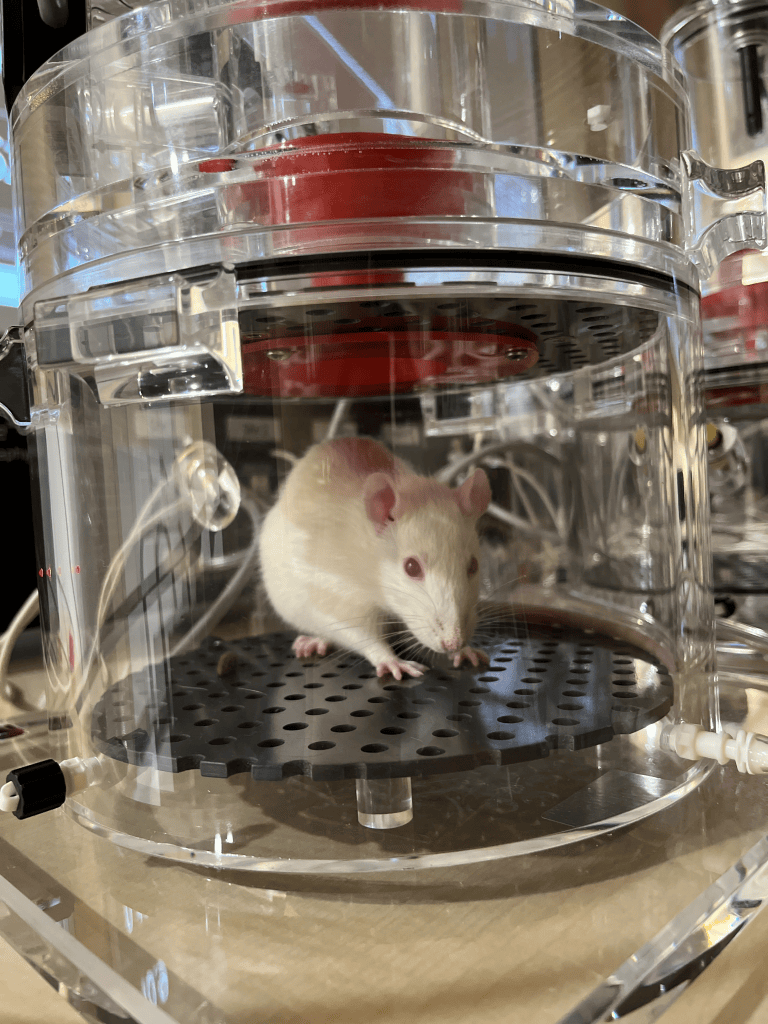
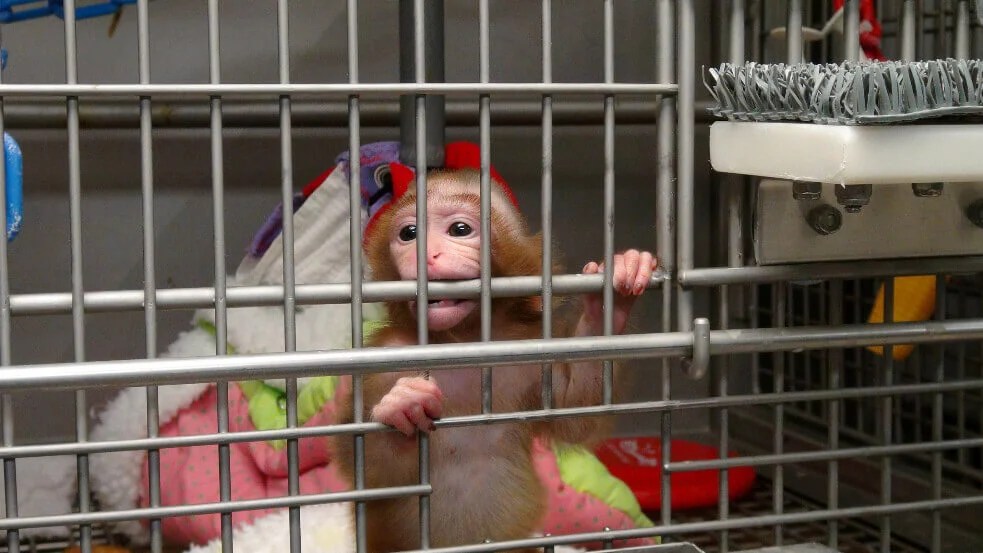

If you’re interested in creating projects to shine a light on Animal Testing, here are some facts to help get you up to speed:
december 1 2025
So how do you know which companies DON’T test on animals when you’re at the Supermarket, Sephora, or wherever? One way, is to look for the symbol below on the packaging:

…and here’s a list of companies that DO NOT test on animals:

As you’ve seen from the video and infographics, there are many reasons to buy products that are cruelty-free. But instead of buying cosmetics like perfume and cologne, today we’re going to make our own– without hurting a single animal 🙂
To create a great-smelling perfume or cologne, one thing you’ll need to learn about is aromatherapy. Aromatherapy is when you use scents (called “essential oils”) to help people feel good mentally and physically. Here’s a little guide:
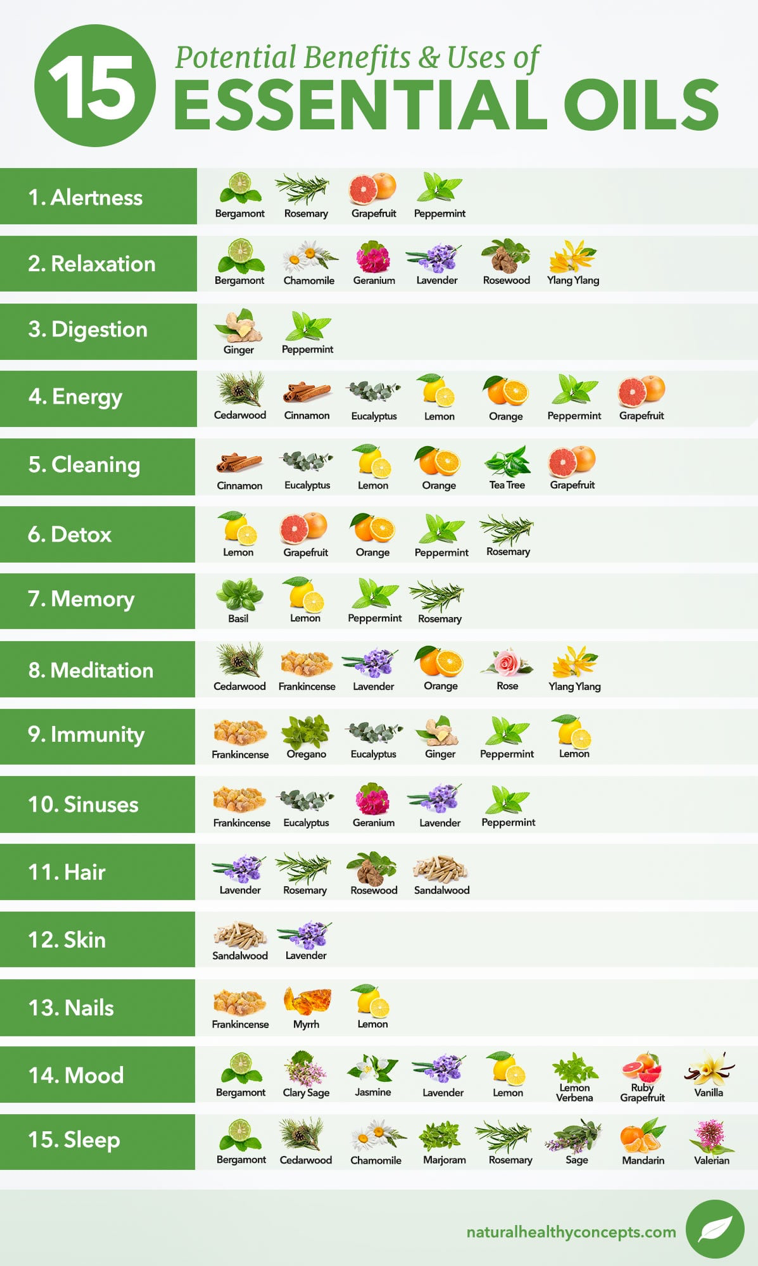
For today’s journal, create a simple set of 6 numbered boxes on a page. We will be passing around scents. For each numbered scent, put two words that describe them. For example:
| 1 Spicy Strawberries | 2 Wet grass Nacho cheese | 3 Wet Dog Cardboard Box |
4 | 5 | 6 |
After you put down the descriptive words, I will tell you the name of the scent. Place the name of the scent next to the number– you’ll be using it later!
Here is a guide to help you out:

Next, you’ll be experimenting with your own fragrance combinations. Choose a few of the fragrances we smelled today. For example, take Lemon (#6) and Neroli (#4). Spray 2 of each on the tester strip. If you like it, use your sheet to record the combination. Give a name to your fragrance! In this case, Laila called it Luscious Lemon.

Now let’s dive deeper into animal testing:
November 24 2025
Let’s begin this week by highlighting an “Artivist” named Alba Paris. If Activism means doing something to help fix a problem you care about, what do you think an Artivist is?
Here, Alba Paris creates an animation to talk about animal testing:
When it comes to Animal Rights, the truth is it’s really hard for students in the Tech Cafe to make a big difference by themselves. To make real change, we need to team up with groups that already have the tools to help animals in big ways. And when I say “team up” I mean GIVE THEM MONEY! And when I say “GIVE THEM MONEY!” I mean let’s sell the crafts we make in The Tech Cafe (and maybe vegan treats) to help fund them:
So, in addition to creating your projects for our big Animal Rights Celebration, consider taking materials home to create Animal Rights Crafts to sell in our Craft fairs!
November 17 2025
Unfortunately, factory farms aren’t the only places where animals are harmed. In laboratories across the United States, animals like rabbits, cats, monkeys, and mice are used in experiments. Some of this testing is for important reasons—like studying how to treat cancer or making sure new medicines are safe. But a lot of testing is done for things that really don’t need animals at all, like trying out a new shade of lipstick or testing the smell of a new perfume.
In this part of our animal-rights unit, we’ll explore who still tests on animals, how the tests are done, and why companies choose to do them. We’ll look at real examples—for instance, how rabbits are used to test eye irritation, or how mice are used when companies want to check a new cleaning spray.
By the end, you’ll get to decide for yourself:
And what products are you willing—or not willing—to buy so you’re not supporting animal testing?
Which kinds of testing feel necessary?
Which feel unfair or cruel?
Let’s start with the who. These companies test on animals (only Axe has stopped):

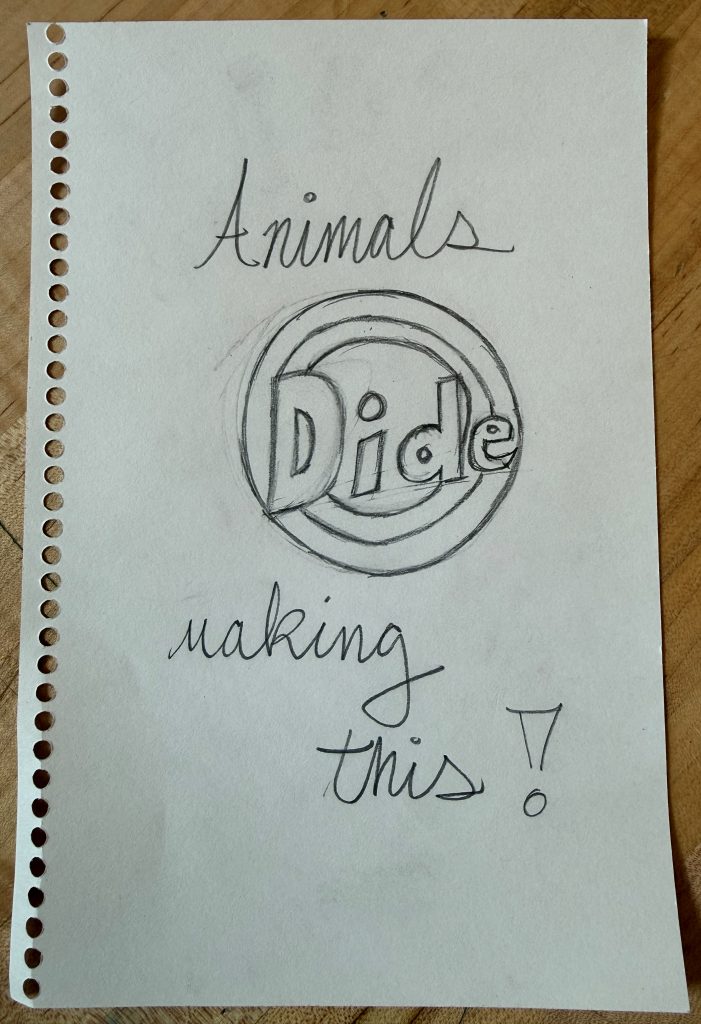
In your journal, recreate one of the brand logos. Then write next to the logo: Tests on Animals. Bonus: open another page and change the name of the brand or the logo so that it shows that they test on animals. Here are some examples from Island School Students:


Here are some logo hacks done by Island School students:
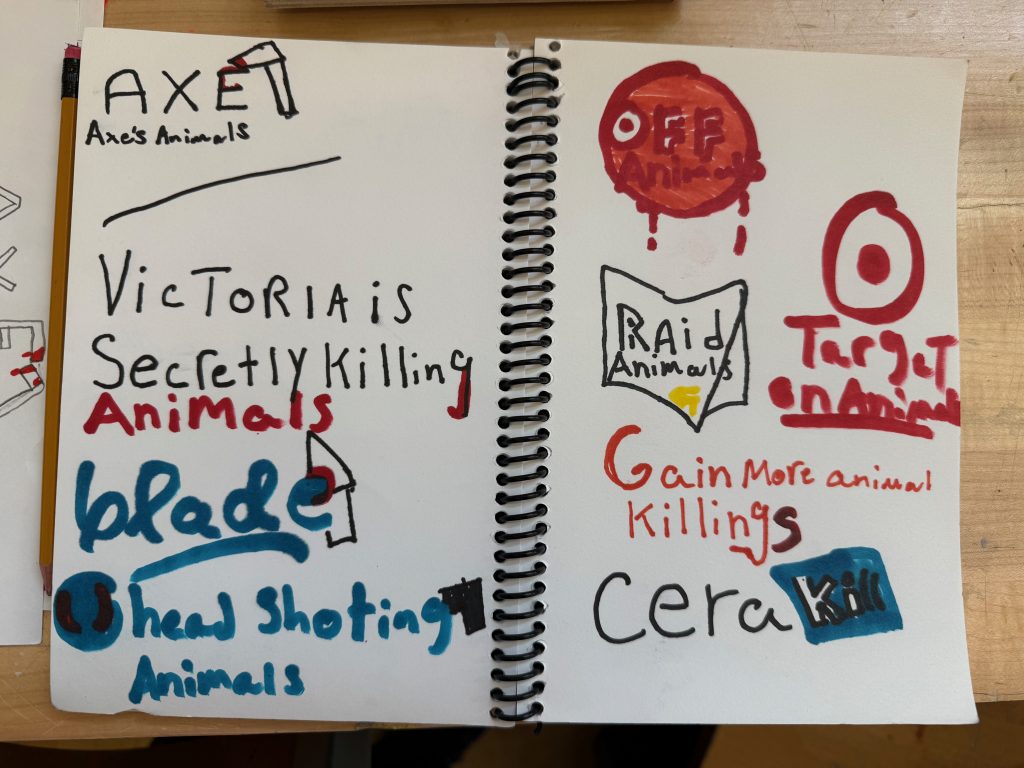
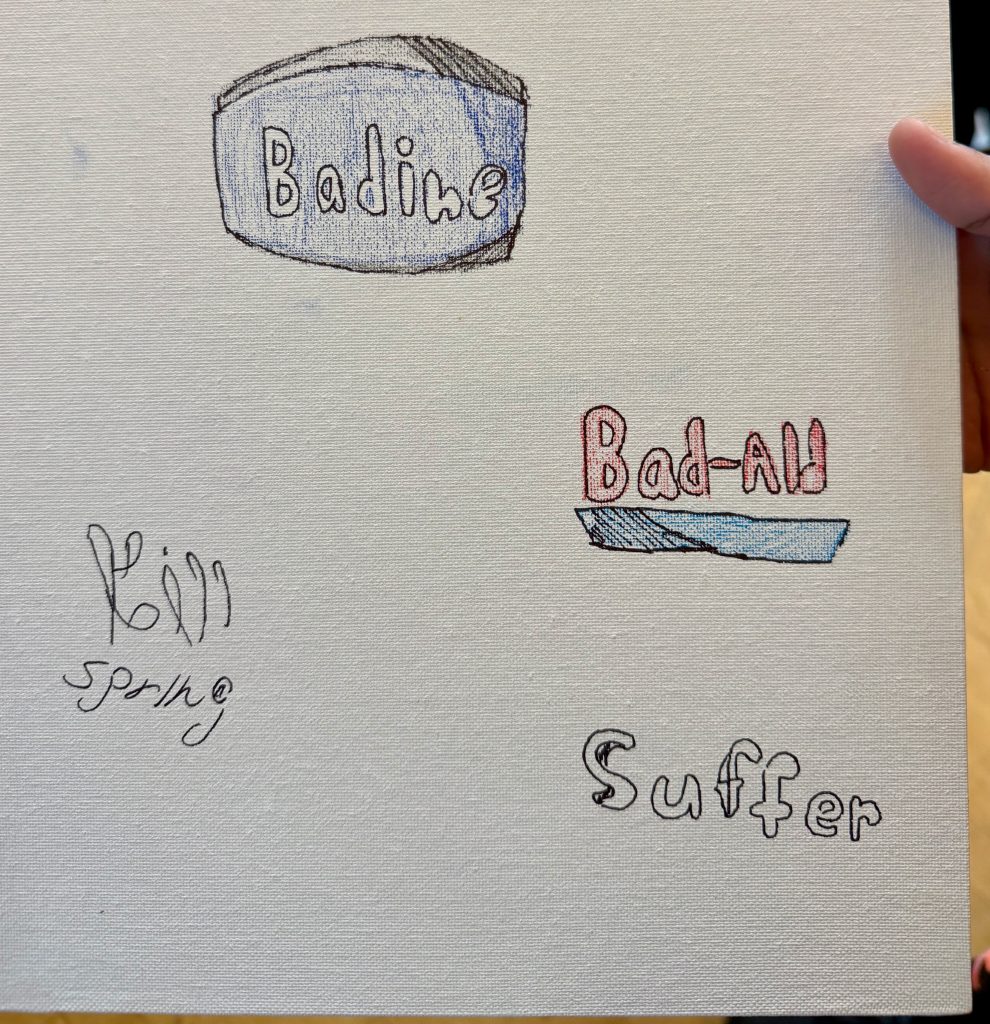
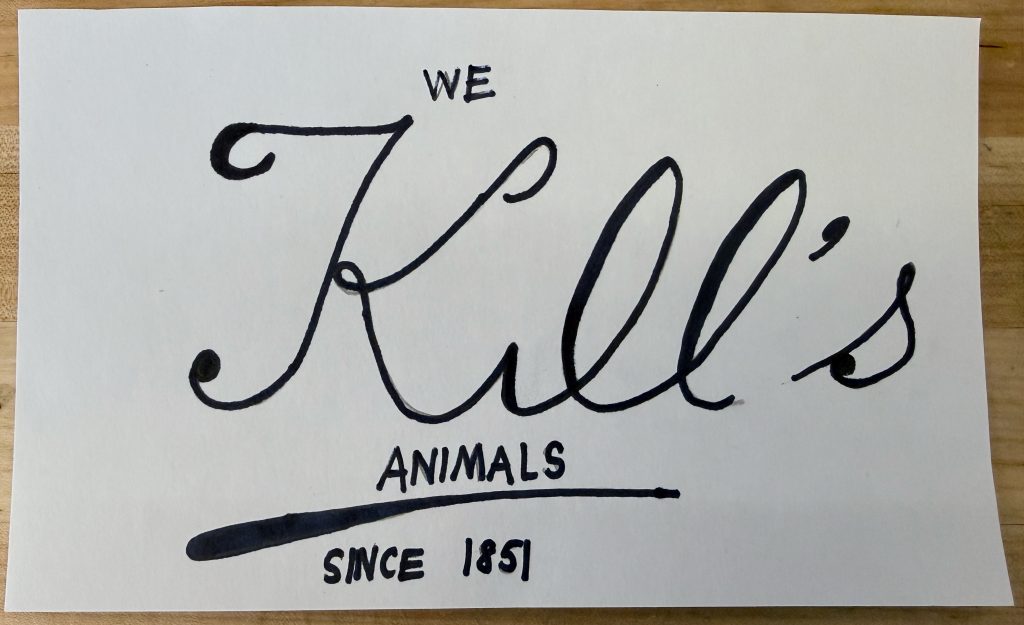
November 14 2025
OK! We’ve spent almost two months exploring the evils of factory farms and the surprising intelligence of animals we treat like milk, egg, and meat machines. Let’s see what you’ve learned!

November 10 2025
This week, we will be introducing a new menu item for those of you who have not yet fallen in love with your project or have completed theirs and are looking for something new. Menu item #5 is to carve a stamp:


If you aren’t sure what to carve or the message to write, here are some ideas:
Once you have finished carving your stamp, you can use it to create cards, t-shirts, or refrigerator magnets to be given out or sold during our craft fair.
November 3 2025
Seeing how these cows are treated on dairy farms, you might wanna think twice before that next cheeseburger. In that spirit, take a listen to Brayan’s “Cow Overlords Have Come” poem:
OK! Let’s start the week with an adventure. This is the story of Super Cow. Just like all cows, Super Cow:
🐮Has best friends and gets stressed when they’re apart.
🐮Shows sadness or happiness through his facial expressions and ears.
🐮Remembers faces for years and can even tell human voices apart.
🐮Loves being brushed — it relaxes him like a gentle massage.
🐮Can solve simple puzzles and learns from watching other cows
🐮As a calf, he and his mother cried for each other when they were separated.
🐮Likes to nap in the sun and chew his cud — a bit like people relaxing after lunch.
Now that you know a little about Super Cow, let’s watch as he (just like your board games) attempts to escape a factory farm:
Now that we’ve witnessed all the gloom and doom of factory farms, let’s take some time to appreciate the animals we eat and see them in a new light: as something more than food. Here are some facts you might not know about chickens:
🐔Mother hens talk softly to their chicks before they even hatch.
🐔Chickens dream when they sleep, just like humans do.
🐔They take dust baths to stay clean and cool — it’s like their version of a shower.
🐔Chickens form tight friend groups and often hang out with their favorites.
🐔They remember who has been kind or mean to them.
🐔Roosters warn their flock of danger before they eat — like lookouts in a group of friends.
Here is our updated menu for November!

october 31 2025
Here are a couple of dark and twisted short films that get us thinking about the animals we consume. The first asks us- what if we had to kill the meat we eat instead of having it served to us already fried, breaded, or covered in sauce?
The second film calls for use to think about why some animals are food, while others are pets.
october 27 2025

Last week we learned about the torturous conditions that mother cows experience on rotating milking platforms and mother pigs experience in farrowing crates. This week we will focus on hens.
Hens live in battery cages—small wire cages stacked in huge rows inside dark warehouses. Each cage holds 5–10 hens who spend their entire lives standing on metal wires, never able to stretch their wings, walk, or feel the sun. The cages are so crowded that the hens often stand or lie on top of each other, and many lose feathers or develop painful sores. Because the metal floor slopes downward, their eggs roll away the moment they are laid—reminding us that these animals are seen only as egg machines, not living beings.


Speaking of eggs, what happens to them after they’re laid?

So now that you know about the conditions of battery cages, which kinds of eggs provide the best life for the hens?

Now back to all those sweet hens. They are intelligent, curious animals who can recognize over 100 different faces and form close friendships with other hens. They even “talk” to their chicks before they hatch, clucking softly to comfort them.
I’m also going to begin posting some DISTURBING real-life videos of how animals are killed in Factory Farms. I will not be showing this during mini-lessons, but if you are interested, here are the first links called Your Chicken in Reverse and Why Baby Chicks Shredded Alive?

october 21 2025

In factory farms, animals are treated more like parts of machines than living beings. Cows stand on rotating milking platforms that slowly spin in circles while machines milk them. The cows rarely see sunlight or touch grass, spending most of their lives indoors under bright lights.
Mother pigs are trapped in farrowing crates, unable to turn around or even nuzzle their babies. For weeks, they can only lie on their sides while the piglets nurse. Many bite the metal bars out of frustration and boredom.
Some places have started to ban these systems, but most still use them — choosing what’s faster and cheaper over what’s kind.

Soundtrack Activity
For today’s activity, we’ll create a soundtrack that matches the feelings you get from what’s on the screen.
- Long, low notes = sadness or death
- High, short notes = panic or something scary
- Slow notes with long pauses = something that happens day after day
Not everyone will play today, but everyone should watch closely to what’s happening to these living beings — animals with feelings, friendships, and dreams. Use what you see for your constructions, songs, art, and documentaries.
Today’s journal entry is called Two Sides:
Draw a big square on the page and divide it in half.
Choose one animal from the video — a cow, a pig, or a chicken.
On one side, draw what you saw in the video —
- Cows standing on the turning circle
- Pigs lying in cages feeding their babies
- Chickens packed together in dark barns
(Stick figures are fine!)
On the other side, draw the same animal living the way you think it should —
- Cows outside in the grass and sun
- Pigs rolling in mud
- Chickens pecking in the grass
At the bottom, write one feeling word for each side.
How can you teach people about these rotating milking platforms and farrowing crates?
How does this video have to with Animal Rights?
october 14 2025
This week we’ll be zooming into item #3 on the menu. As we spoke about on our “Draw the Music” journal entry, music acts as a special key that opens up a door in humans. Once open, we are flooded with feelings, memories, fantasies, and the urge to move our bodies.
As Animal Rights activists, some of you can choose to use music to help wake up listeners to what non-human animals go through before we eat them. Below is a fill-in-the-blank song that can help you get started:


Want to be a little freer with your creation? Here’s another option to get you started with your lyrics:
Try singing it with this beat:
Now, here’s a quick tutorial on how to create and edit a song in Soundtrap about Animal Abuse:
october 10 2025
A quick note: The Tech Cafe Menu has been updated! I noticed that many students wanted an option to BUILD and to work with CLAY to express their understanding of animal rights. So for Menu Item #6, you can now create a mini-factory farm to reveal the terrible truth.


Also, I wanted to put a little nutritional information out there for those of you who were wondering, How can I still be healthy if I don’t eat animals?


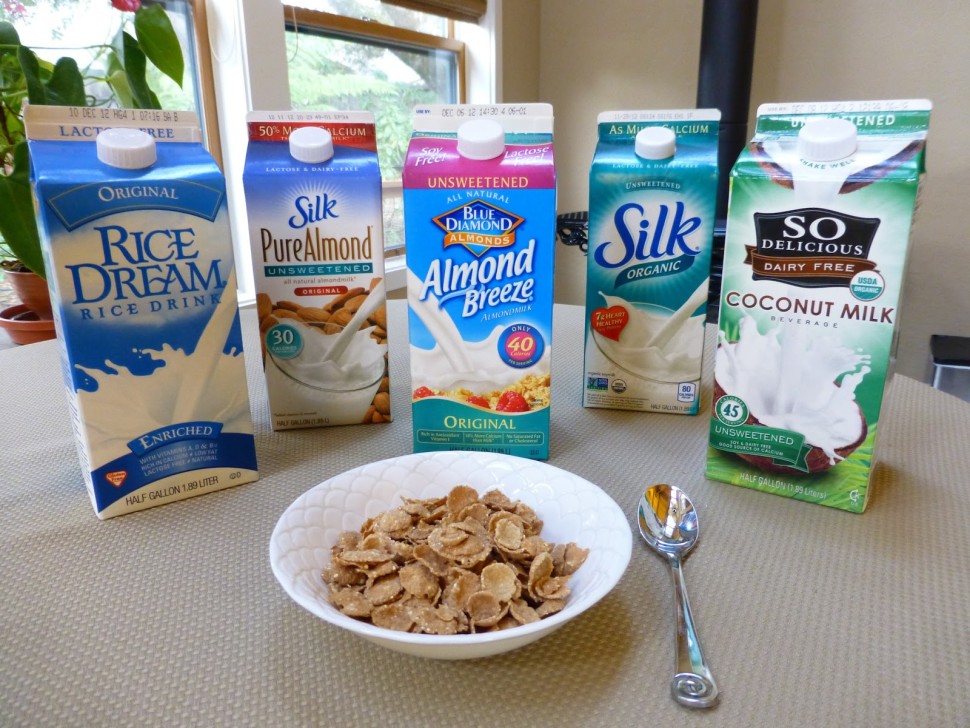
Now that we’ve learned some of the basics of what goes on in factory farms, it’s time to take a look at some of the projects you can choose to show what you’ve learned and how you feel about it:

october 3 2025
What is this video saying about how Humans treat other Animals? What do you find most disturbing about it?
Last week, I asked you to think of a non-human animal that is special to you. The thing about these animals—especially our pets—is that we see them as living beings who are smart and have personalities. But when it comes to the animals we eat, we often treat them like objects.

Pigs can actually play video games, recognize their own names, and feel upset when another pig is suffering—but to us, they’re simply bacon.
Cows really do dream at night and form close friendships—but to us, they’re just steaks.
Chickens are social animals who can recognize over a hundred faces and remember people for months—but to us, they’re just nuggets and eggs.
If you think about it, we’re not so different from the guy in Steve Cutts’ animation.

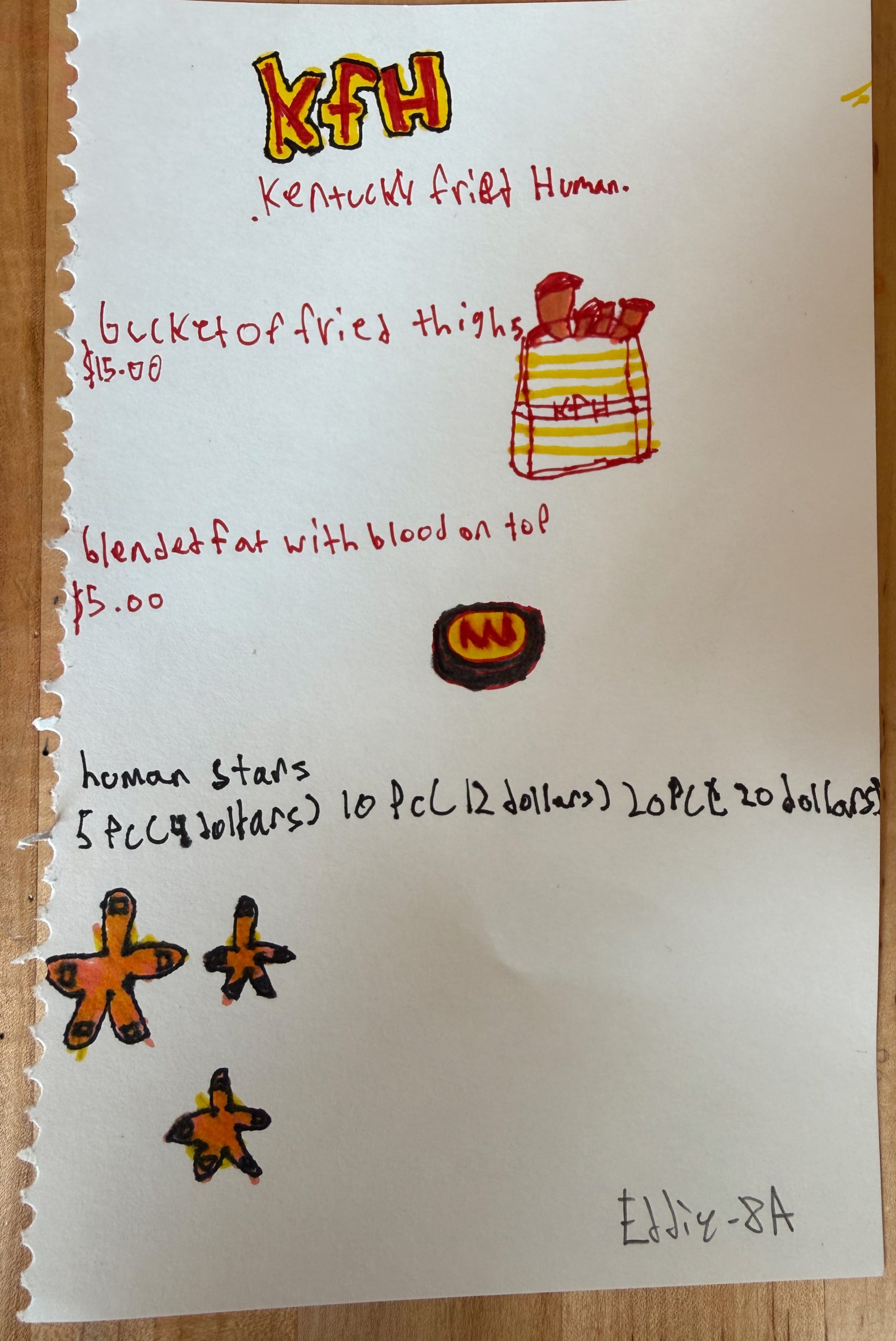
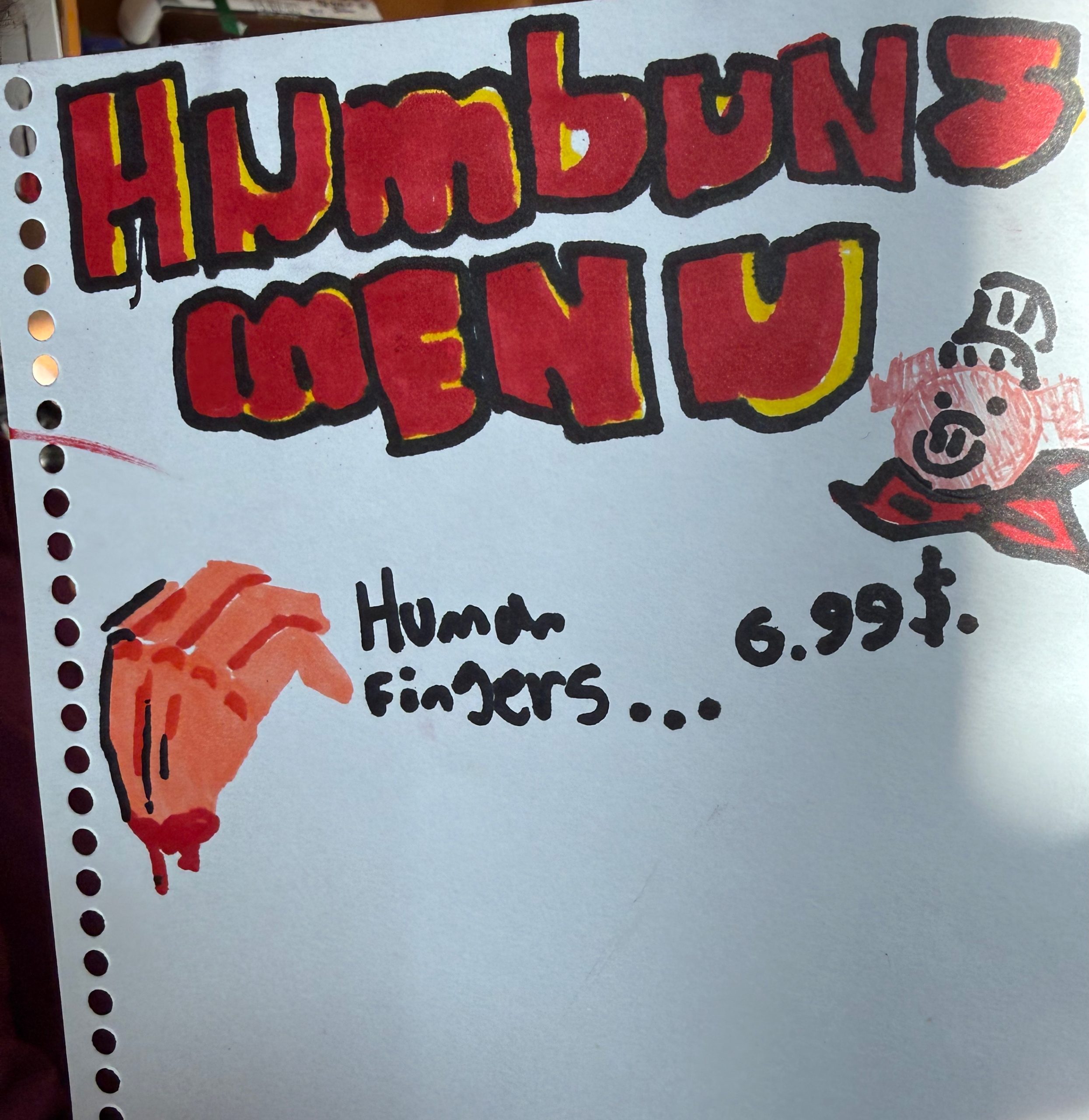
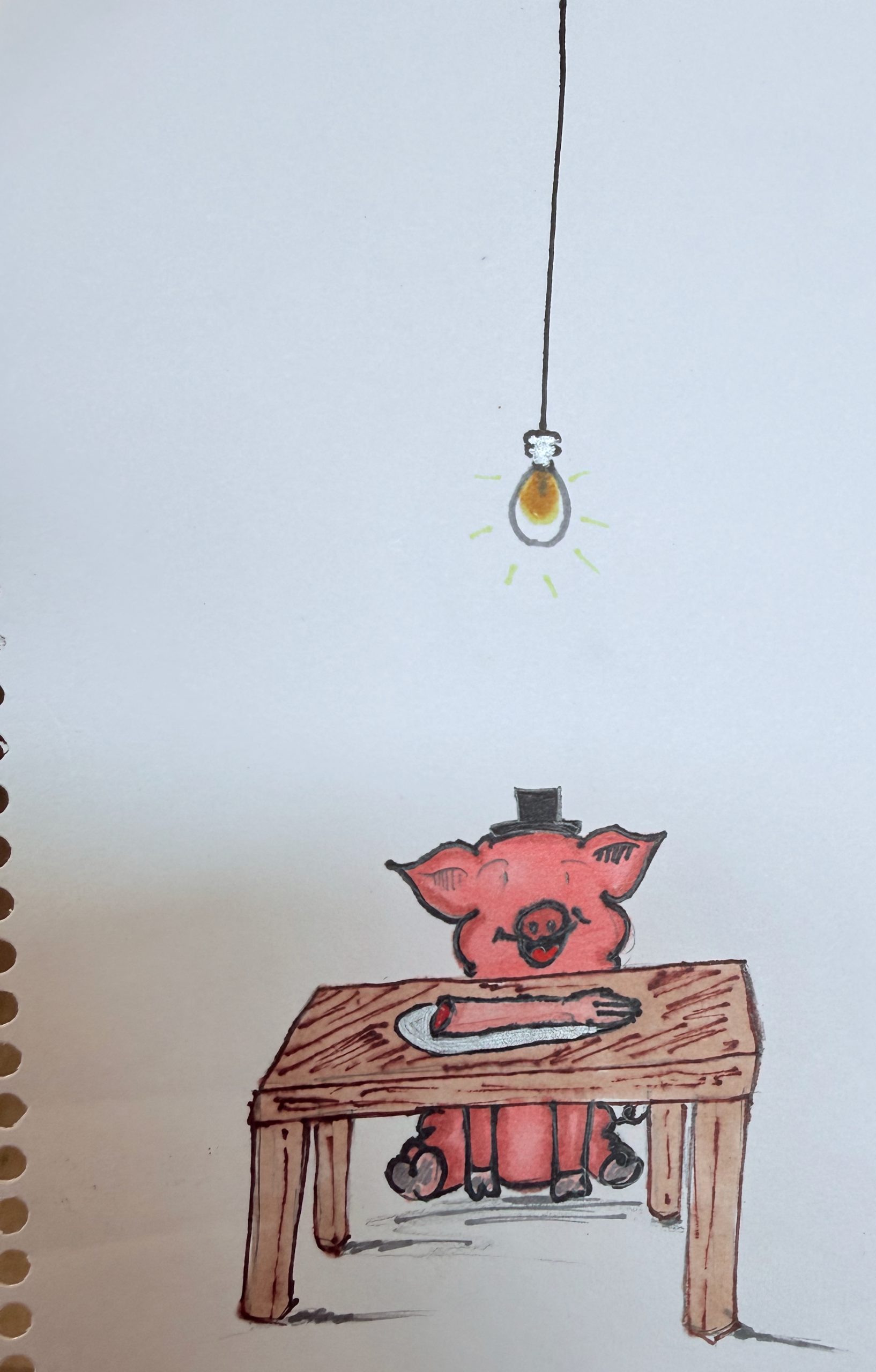
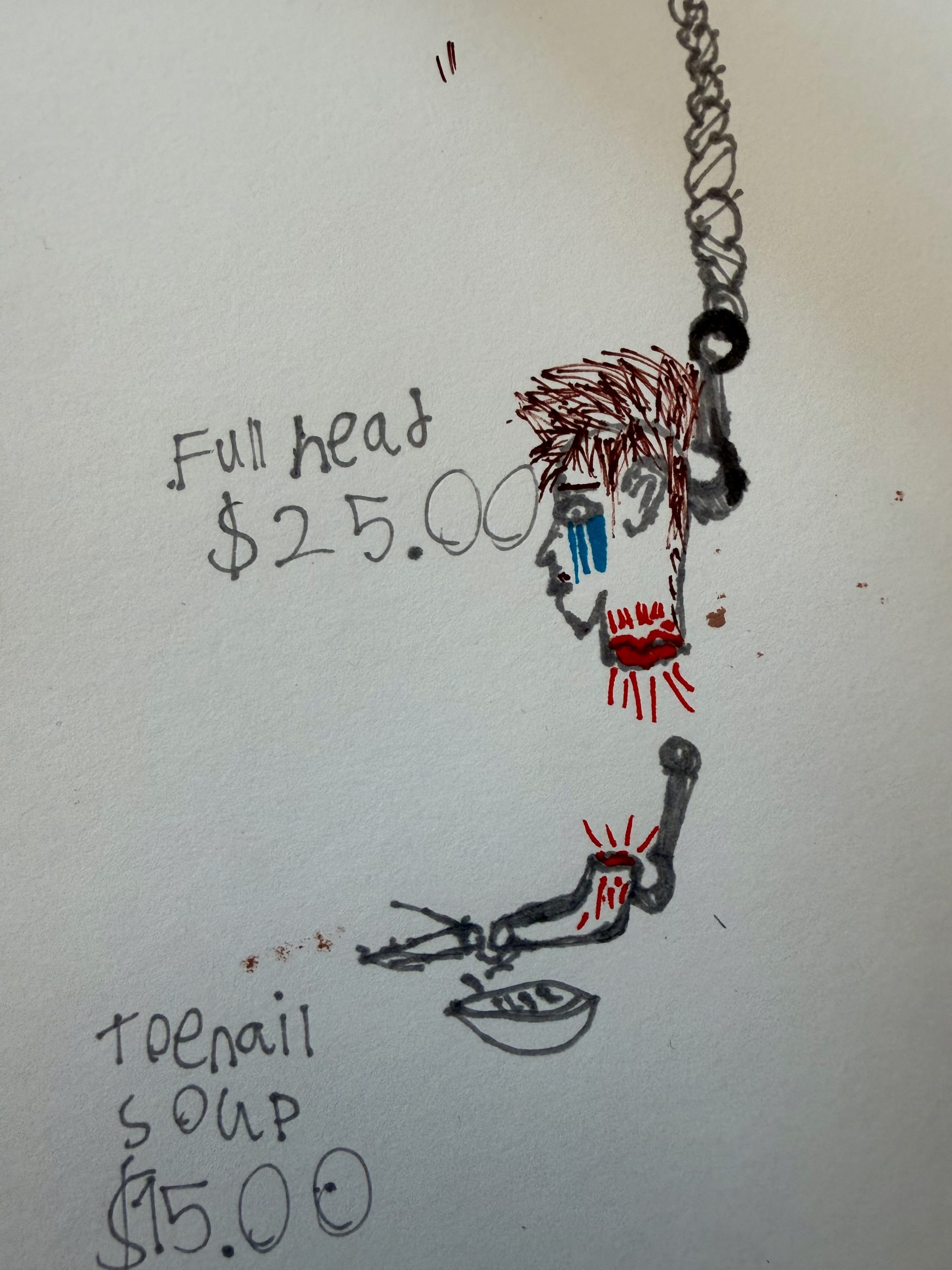
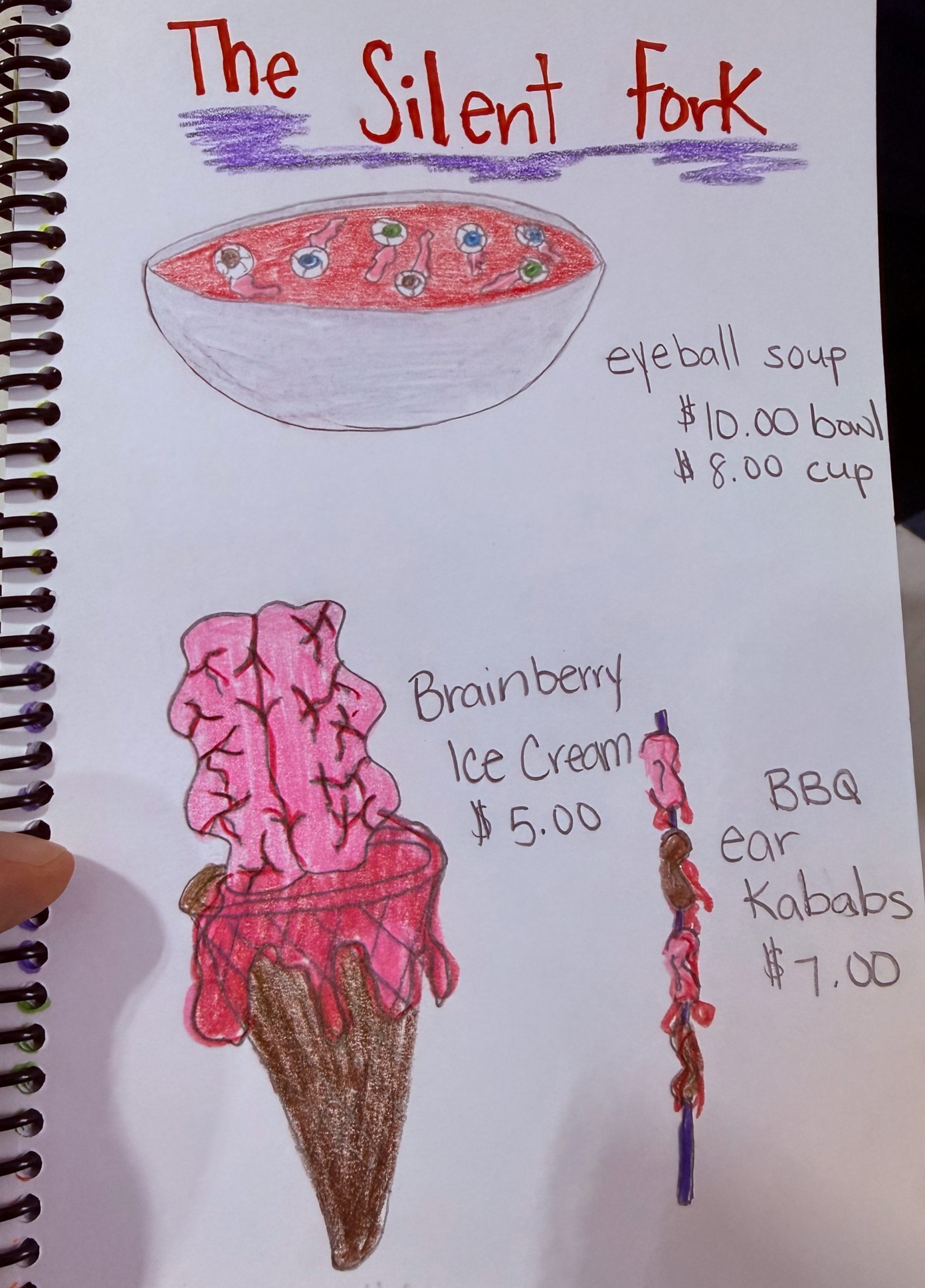
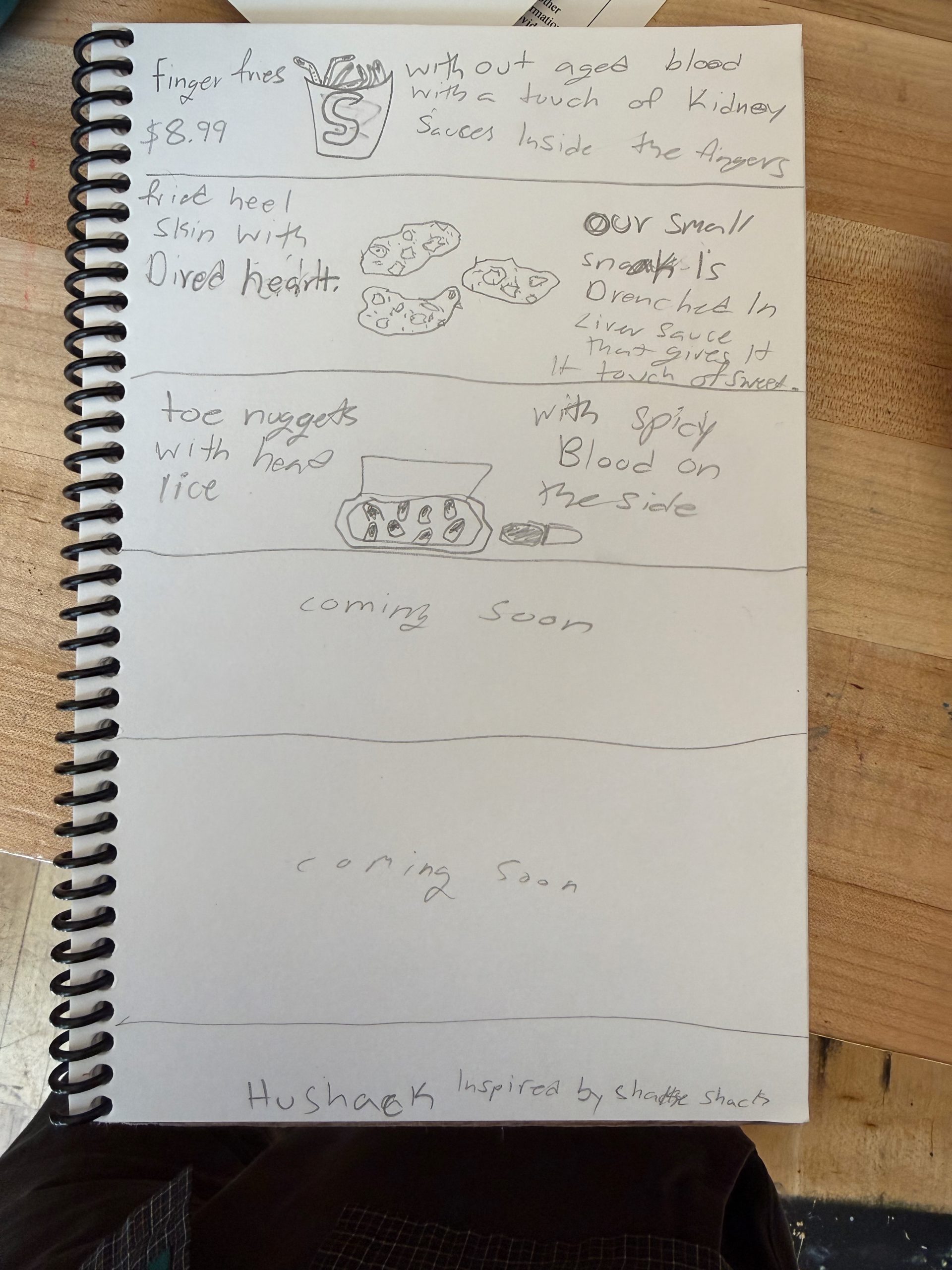
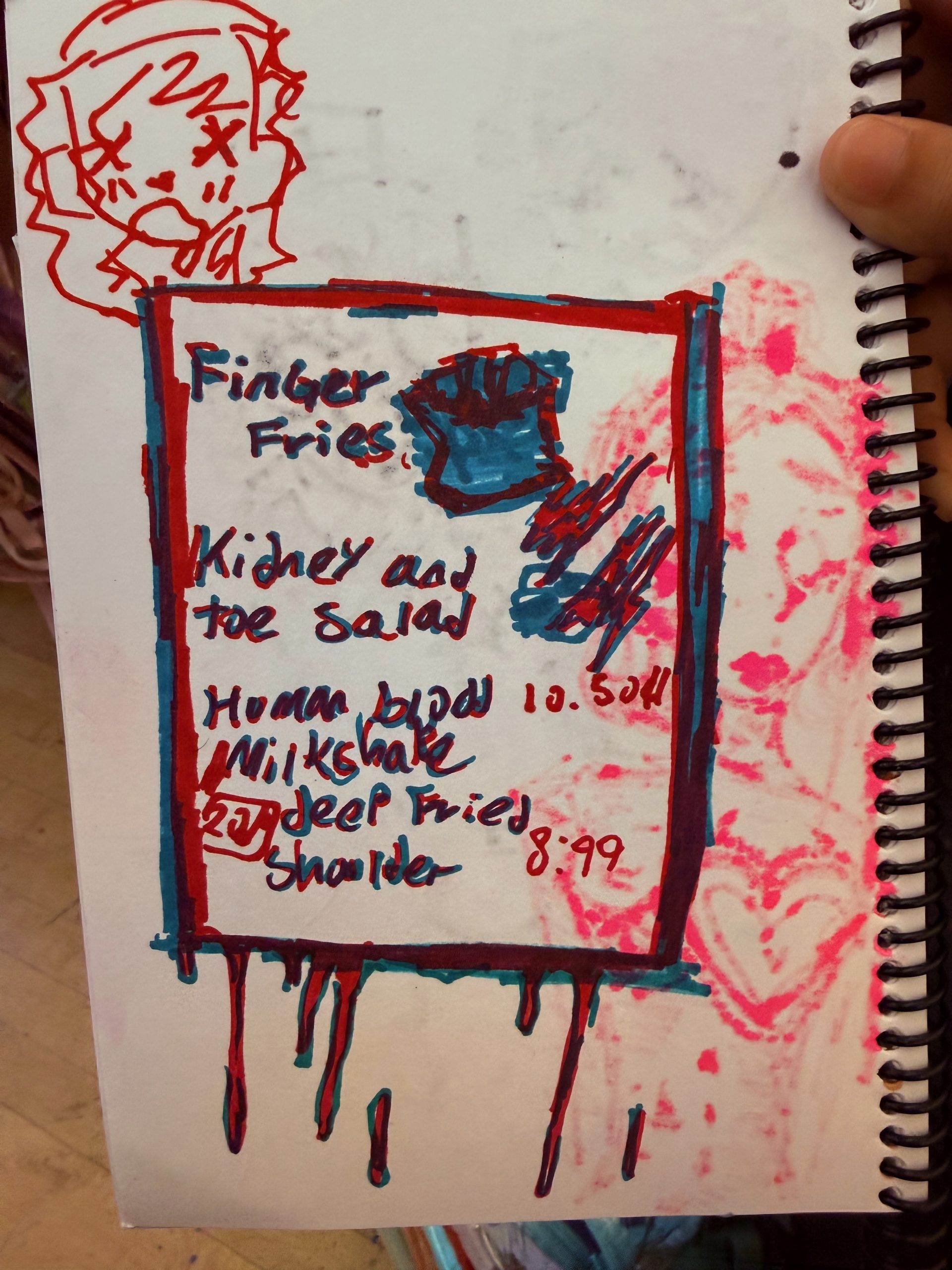
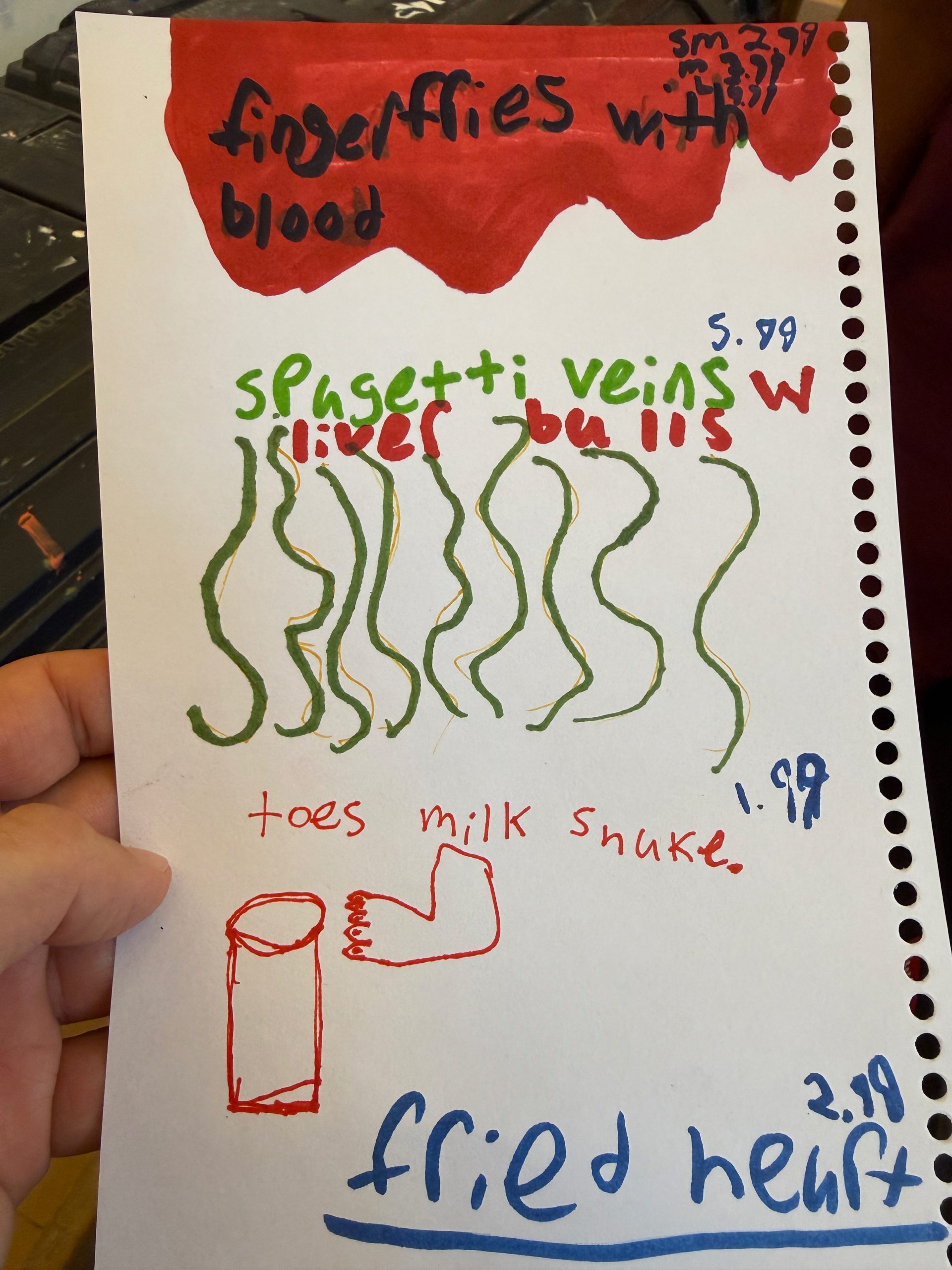
So here’s a darkly weird idea: let’s reverse roles. Imagine a restaurant run by carnivorous chickens, pigs, and cows. Create a menu for them. What dishes would they serve if humans were the food? Draw the menu and give your dishes funny or creepy names like this 6th grader:
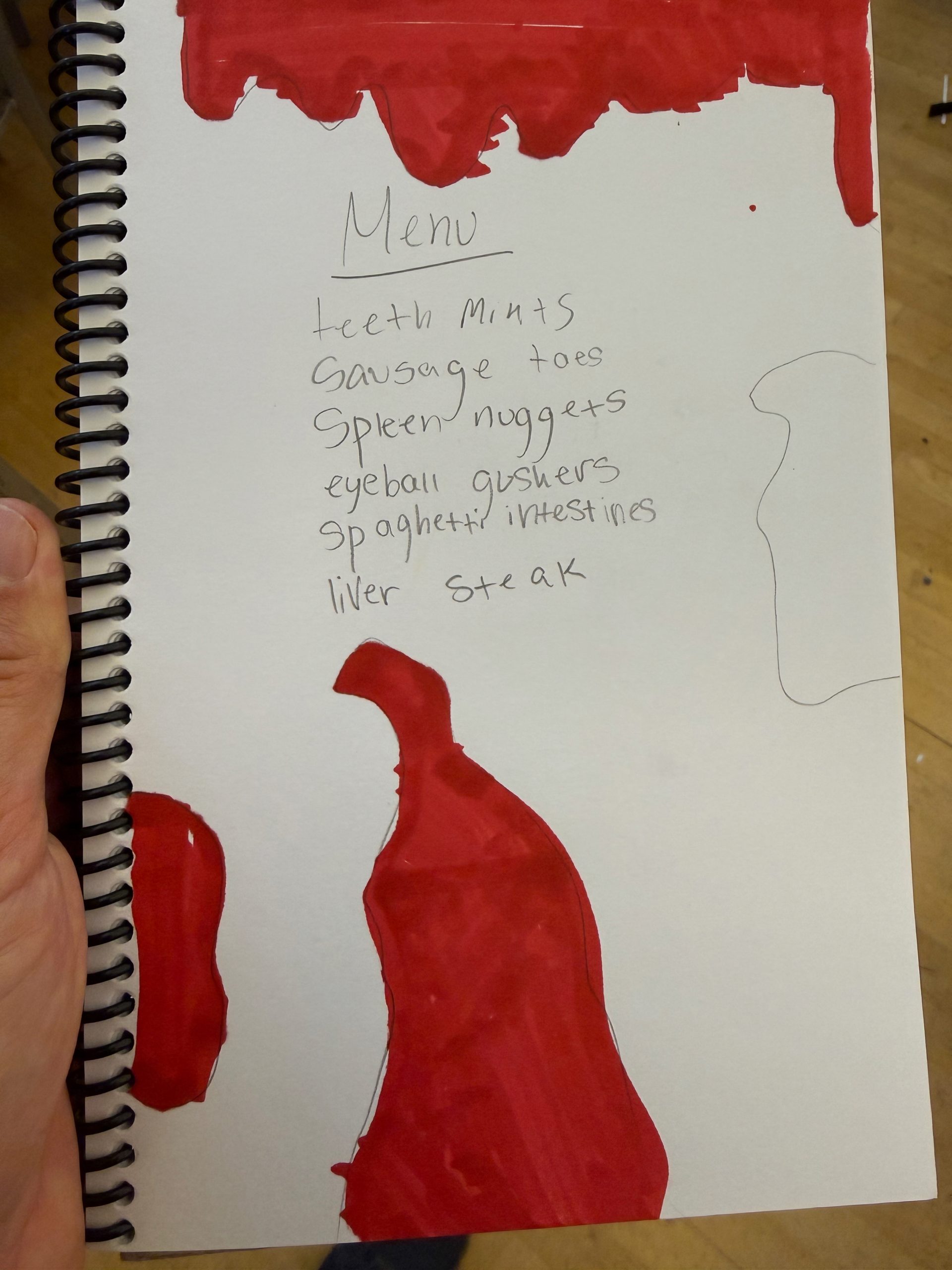
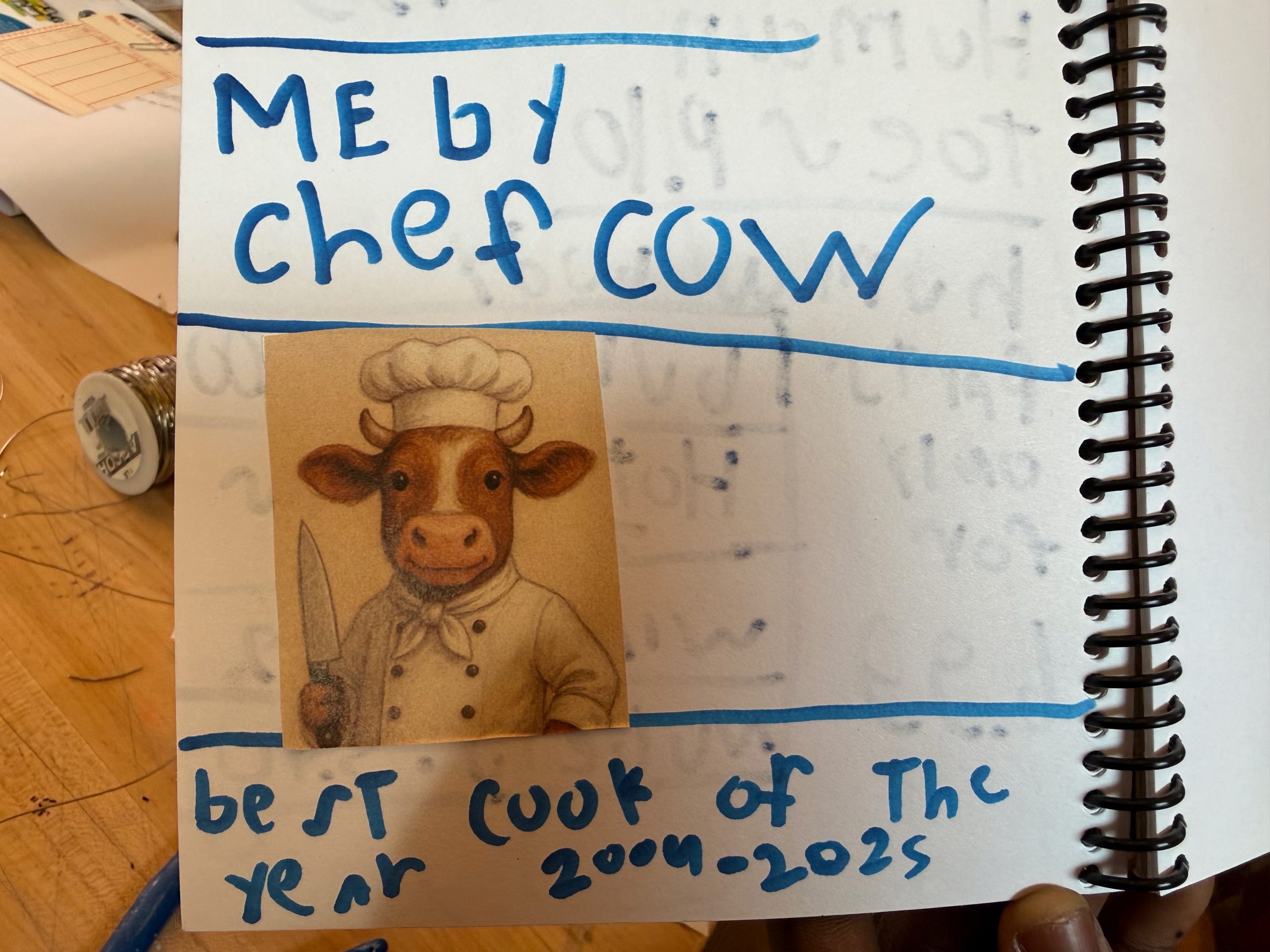
So if farm animals really are living beings with smarts and personalities, how should we treat them? To answer that, we first need to look at how they’re treated now. For the most part, the animals we eat are raised in factory farms:
Now that we’re ready to begin our projects, it’s important that your arts, crafts, songs, and movies TEACH people about Animal Rights. So, here are some facts you might want to include:
SEPTEMBER 29 2025
Humans are animals. But for the most part, we don’t kill and eat other humans, wear the skin of other humans, put humans in zoos, or test out dangerous chemicals on other humans. On the other hand, we do do each of those things to other kinds of animals like cows, monkeys, fish, and mice.


What does each of these pictures mean?
What makes humans different from other animals? What makes dogs and cats pets, while other animals like pigs are food? Can eating less meat and dairy be healthy, delicious, and good for the earth? Can we make cologne and perfume without testing them on animals?
These are some of the questions we will be answering in our Animal Rights Unit.
For your journal entry today, use watercolor and marker to make a picture of an animal that has meant a lot to you. If you cannot think of one, then create a picture of an animal you find beautiful or interesting. Write 1 sentence about why you chose this animal.


